The Evolution of Gemological Integrity and the Refinement of Crystal Identification Standards
Volume 01Technical Analysis•4.8k Words
Sustaining gemological integrity within the 2026 market landscape necessitates a sophisticated convergence of classical mineralogy, advanced spectroscopy, and computational deep learning. This standard relies upon the rigorous verification of a specimen’s physical and chemical identity, structured by a comprehensive crystal identification guide. Contemporary gemology utilizes a global database of over 32,000 verified reference samples to differentiate between natural and synthetic gemstones. Technical parameters, including a Mohs hardness of exactly 7.0 for quartz or the specific gravity of corundum at 4.00, function as primary filters, while advanced analytical methods to test gemstone materials, such as Laser-Ablation Inductively-Coupled-Plasma Mass Spectrometry (ICP-MS), provide trace-element sensitivity at the parts-per-billion level. Market observations suggest that industrial demand for high-purity crystalline SiO2 is projected to rise by 17% by 2026 due to semiconductor requirements, shifting the threshold for integrity from visual aesthetics to an immutable digital and physical record of atomic-level provenance.
Projected Industrial Demand: Crystalline SiO2
Metric: Market Growth Forecast (2024-2026)
Growth Rate+17%
Reference Samples32,000+
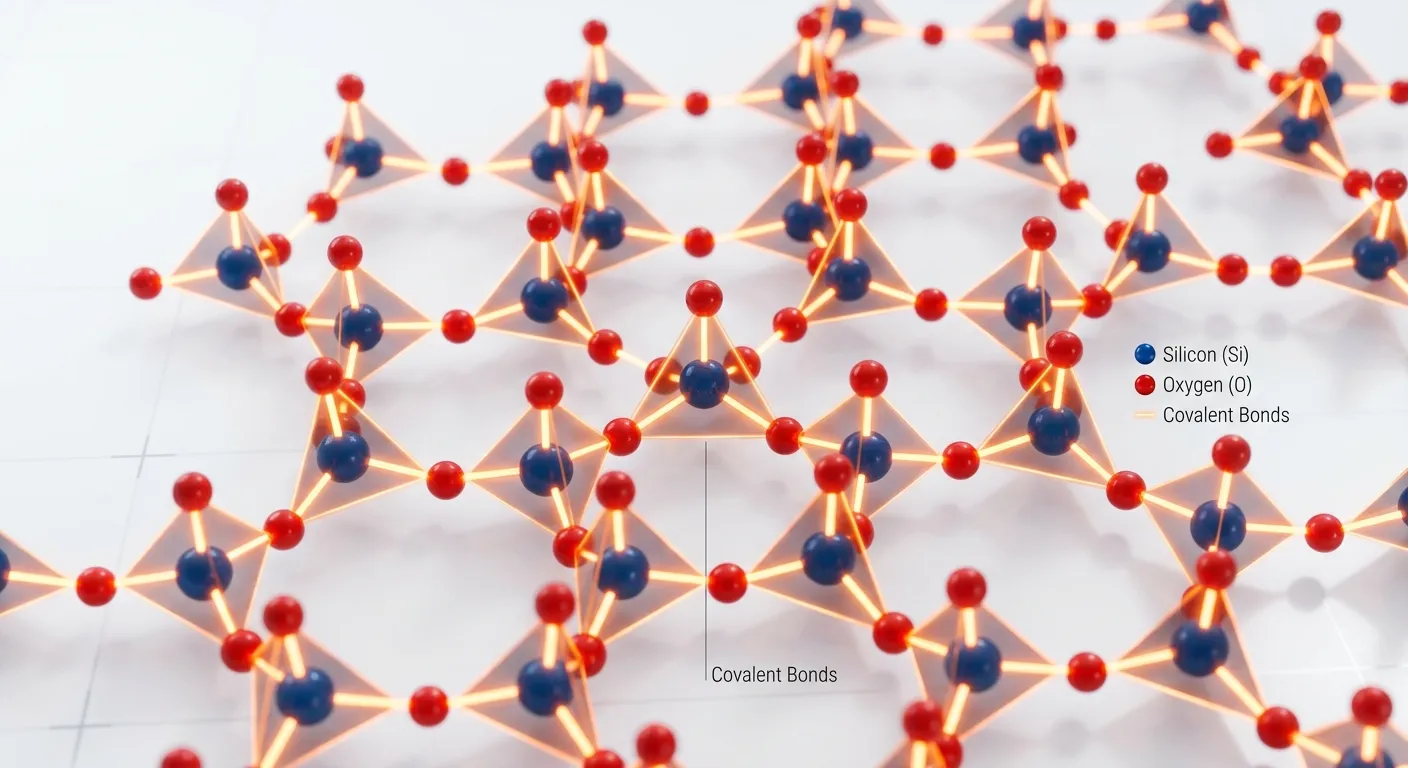
The foundational pillar of gemological integrity resides in the internal symmetry and chemical stoichiometry of a mineral. Every gemstone is defined by its specific arrangement of atoms, which dictates its macro-physical properties. Within the mineral classification framework, specimens are categorized into seven distinct systems—isometric, tetragonal, orthorhombic, hexagonal, trigonal, monoclinic, and triclinic. For instance, the hexagonal system of clear quartz creates a highly stable lattice that resists chemical weathering, a result of the strong covalent bonding within the silicon-oxygen tetrahedra. This atomic regularity allows professionals to utilize a crystal identification chart as a reliable diagnostic tool. Hardness measures the resistance of the crystal lattice to mechanical dislocation, where a higher Mohs value indicates a denser, more tightly bonded atomic structure. Beyond simple symmetry, the phenomenon of crystal twinning introduces structural complexity vital for identification. Twinning occurs when adjacent crystals share lattice points symmetrically, often resulting in intergrowths like the "Brazil Law" in quartz or the "Spinel Law" in octahedrons, governed by specific twin laws. Identifying these patterns through microscopy allows experts to distinguish between natural synthetic and treated gemstones. The chemical composition of a gemstone acts as its elemental fingerprint. While sapphire is primarily aluminum oxide, the presence of trace elements known as chromophores—such as iron, titanium, or chromium—alters the energy gaps between electron orbitals. This process is highly sensitive to the geological environment, as seen in the bluish-green variety of chalcedony where unique hues result from chromium and trace elements like nickel and uranium. Understanding these chemical nuances is essential to establish a baseline for natural integrity before secondary treatments are considered.
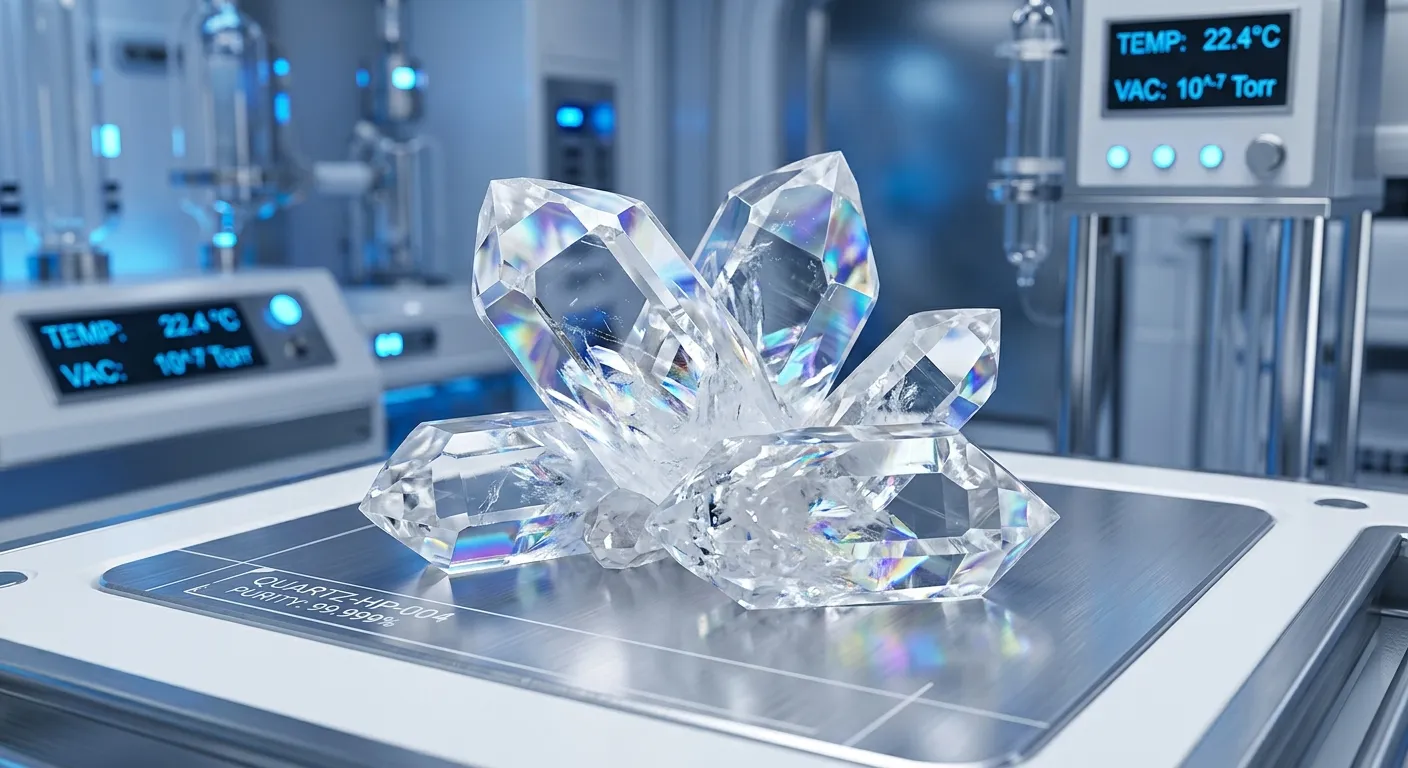
Fig 1.1: Atomic Stoichiometry and Lattice Symmetry in Hexagonal Quartz Systems.
The interaction between electromagnetic radiation and the crystal lattice provides the most definitive non-destructive data for identification. Refractive Index analysis remains a primary metric in crystal verification. When light passes from air into a denser medium, its velocity decreases, causing the light path to bend at a ratio known as the Refractive Index. Because the density and atomic arrangement of the crystal determine this index, it is nearly impossible to forge. For a gemologist, this number is a unique identifier, allowing for the immediate exclusion of look-alike materials. Advanced spectroscopy has moved beyond the simple hand spectroscope to include Fourier-Transform Infrared and Raman spectroscopy. These instruments measure the vibrational frequencies of molecular bonds within the crystal. When a gemstone is exposed to infrared radiation, certain frequencies resonate with the molecular vibrations of the lattice, creating an absorption spectrum. This allows for the detection of hidden treatments, such as polymers in emeralds or beryllium diffusion in sapphires. Furthermore, the study of pleochroism—the ability of a stone to show different colors when viewed from different angles—provides deep insight into the crystal's optical axes. This occurs in doubly refractive stones where light is split into two rays traveling at different speeds. By mapping these optical constants, gemologists can verify the structural orientation of the stone, which is essential for both identifying the species and aesthetic quality of gemstones.
Spectroscopic Analysis Module
"Mapping the vibrational frequencies of molecular bonds to detect atomic-level anomalies."
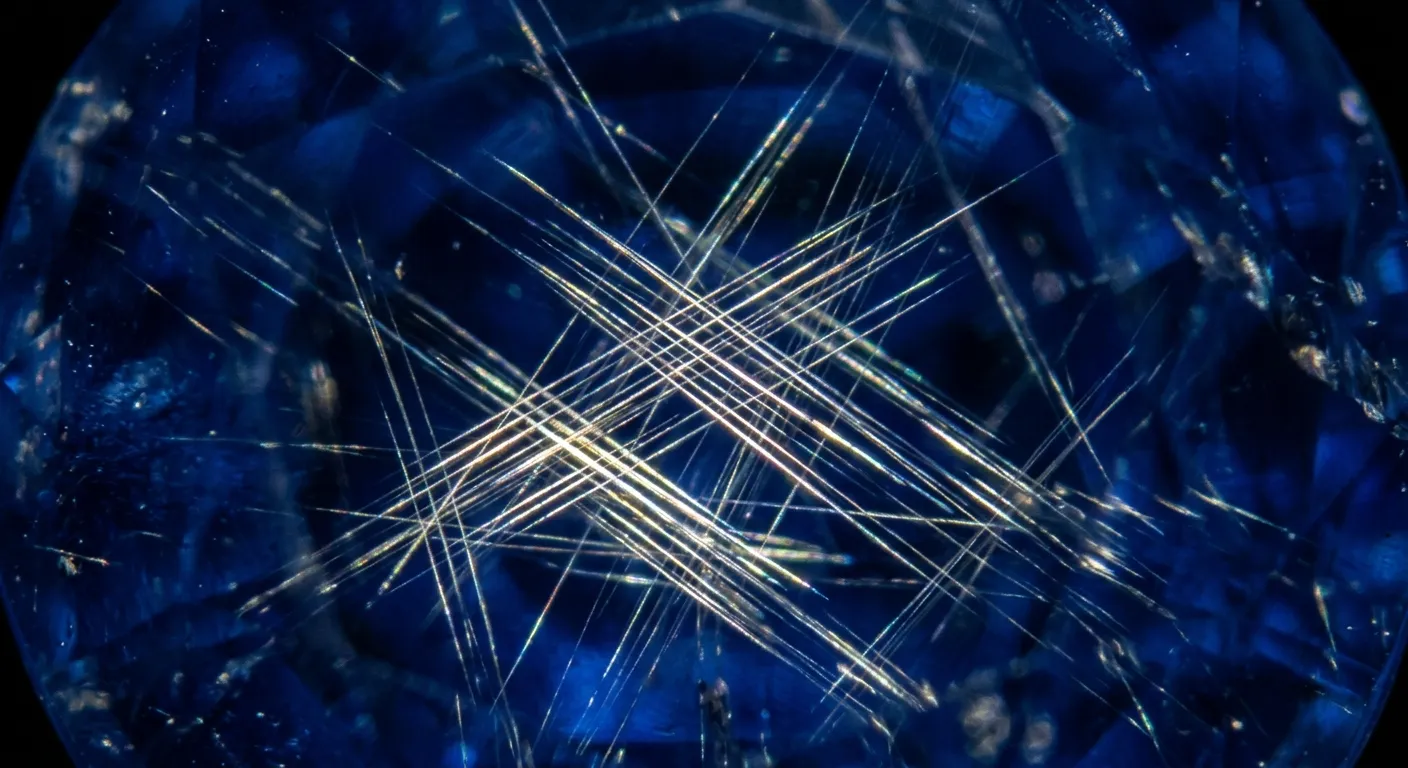
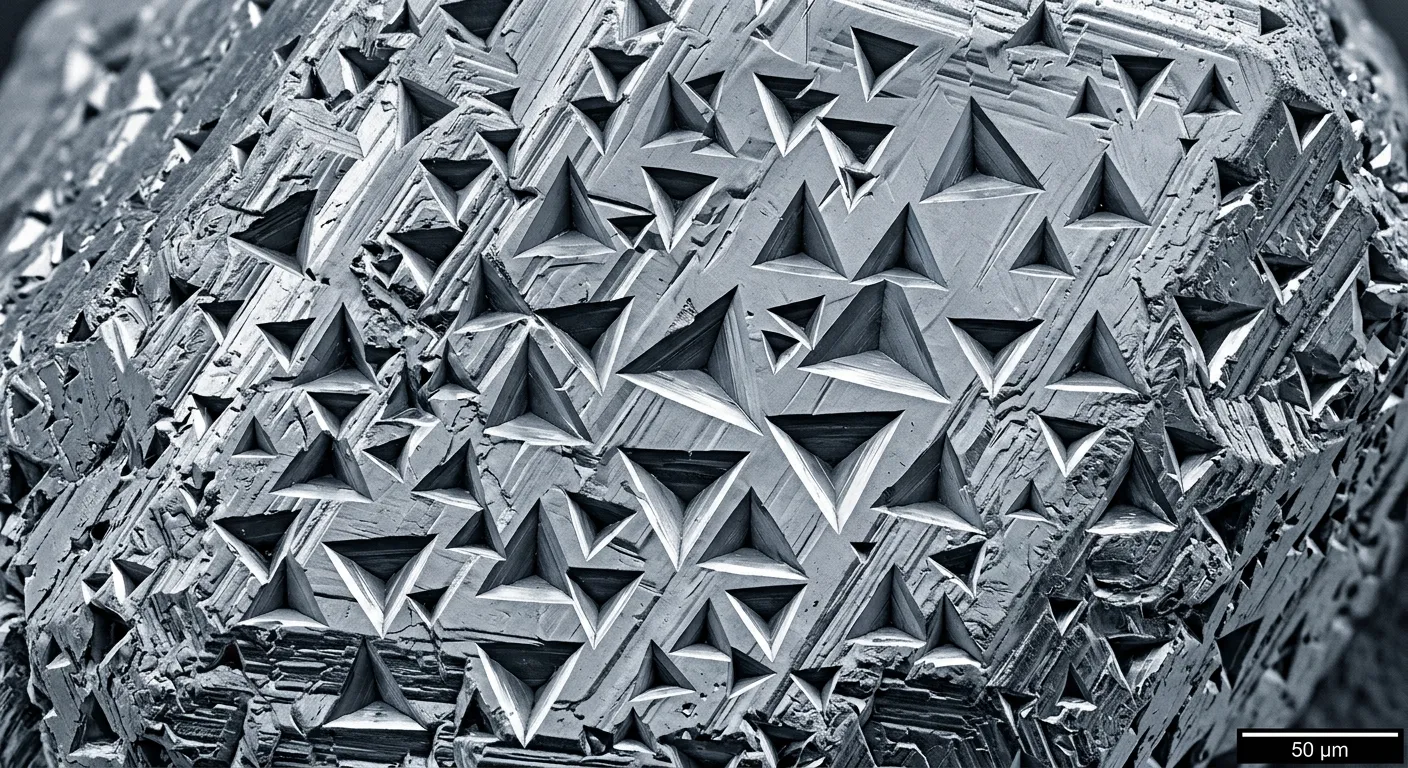
The internal world of a gemstone contains the most compelling evidence of its origin. Research into the diagnostic value of inclusions in gemstone identification focuses on the microscopic features trapped within the stone during its formation millions of years ago. These features include solid mineral crystals, fluid-filled cavities, and partially healed fractures. These micro-features provide a gem's identity, geologic origin, and evidence of treatment. The use of high-resolution digital photography and computer processing has revolutionized the ability to detect rare inclusions in gemstones. For instance, the presence of etch pits in Ukrainian beryl provides a specific morphological signature that distinguishes it from beryl found in other localities. Similarly, metallic copper inclusions in Oregon sunstone create unique optical effects like schiller and color zoning. By analyzing the shape, orientation, and composition of these inclusions, gemologists can confirm whether a stone was mined in a specific geographic region. Geographic origin determination has become a central requirement for gemological integrity. Knowing the provenance is not just about prestige; it is about the scientific verification of the stone's geological history. These conclusions are often backed by a meticulously assembled collection of gemstone samples gathered by field gemologists from deposits around the world. This physical library allows for the comparison of a client's stone against verified specimens from known mines. If a sapphire shows the specific silk and chemical trace elements unique to Kashmir, its geological integrity is confirmed, helping to justify premium valuations for gemstones from origins of high historical significance.
Kashmir Sapphire Silk
Ukrainian Beryl Etch Pits
The ability to differentiate between natural and synthetic gemstones is the most critical frontier in modern gemology. Natural gemstones are formed entirely by geological processes, whereas synthetic stones are grown in laboratories using methods like High Pressure High Temperature or Chemical Vapor Deposition. While synthetics share the same chemical and physical properties as natural stones, their growth environment leaves subtle markers, such as growth striations visible under cross-polarized light. Treatment mechanisms further complicate the landscape of integrity. Most gemstones in the market undergo some form of enhancement to improve their color or clarity. Heat treatment is the most common, used to dissolve inclusions or intensify hues in rubies and sapphires. While widely accepted if disclosed, these treatments alter the stone's natural state. More aggressive treatments, such as lead-glass filling in rubies or irradiation in topaz, significantly impact the stone's long-term stability and market valuation. The standard for integrity requires that these treatments be identified and documented through grading reports and certifications for gemstone classification. This is why modern report overhauls focus on elevating transparency, ensuring that the treatment history is as prominent as the stone's weight or color. Furthermore, awareness that treatment history can affect gemstone cleaning methods is vital for the long-term maintenance of treated gemstones. Each gemstone must be evaluated on its own merits, as even two stones from the same mine may have undergone different levels of heat or chemical exposure. This rigorous classification helps to identify treatments and synthetic processes in gemstones, ensuring that rarity and origin influence gemstone market value based on historical procurement standards while accounting for geographic origin and treatments affecting gemstone value.
The future of gemological integrity is increasingly digital, defined by the integration of Artificial Intelligence and blockchain technology. Systems leverage deep learning to determine gemstone origin and quality using AI, analyzing vast datasets of spectroscopic and microscopic data. These algorithms can identify subtle patterns in inclusion morphology or trace-element distribution that are invisible to the human eye, providing a more objective and reproducible classification than traditional visual inspection. Blockchain technology provides the digital twin of a gemstone’s physical integrity. By creating an immutable record of a stone’s journey from the mine to the laboratory, blockchain ensures provenance is more than just a claim. This decentralized ledger records every test performed, every treatment identified, and every change in ownership. This is particularly vital for ethical sourcing and combating the circulation of counterfeit minerals, aligning the gem trade with global standards for environmental and social responsibility. As the industry moves forward, the standard for gemological integrity will be defined by this Total Transparency model. The combination of advanced imaging, trace-element analysis, and AI-driven grading ensures that the identity of a gemstone is verified at every level of its existence. This technical architecture does not replace the gemologist but empowers them with a technological edge, allowing the industry to maintain trust in an era where the lines between natural and man-made are increasingly blurred. Experts continue to compare chemical and microstructural features of gemstones to refine the crystal identification chart pdf and identify specific crystal identification marks used across the globe.
The Economics of Authenticity: Procurement and Market Valuation
Within the high-stakes environment of global gemstone procurement, the metamorphosis from a raw mineral specimen into a liquid commercial asset remains dictated by a multifaceted matrix of standardized identification protocols (a necessity for institutional de-risking). As a procurement specialist with three decades of operational experience, I have observed that the market value of a specimen is rarely dictated by its chemical formula alone, but rather by the degree of transparency provided by rigorous gemological authentication. The year 2026 represents a pivotal shift in this landscape, as the Gemological Institute of America (GIA) prepares to overhaul its colored gemstone reporting services to meet modern transparency demands. This upcoming transition is not merely cosmetic; it is a fundamental recalibration of the mechanisms used to justify premium valuations for gemstones from origins characterized by significant historical and geological prestige (such as the high-altitude mines of the Himalayas). Consequently, the distinction between a "commercial-grade" sapphire and an "investment-grade" specimen from a storied locale like Kashmir or Mogok often results in a valuation premium of 10x to 15x, a multiplier that relies entirely on the laboratory’s ability to conduct a definitive analysis of internal characteristics and geological origin mapping.
Market Valuation Multiplier: Origin vs. Grade
Analysis of Price Variance based on Geographic Provenance (2024-2026)
Note: Multipliers are indexed against standard commercial-grade specimens of identical carat weight.
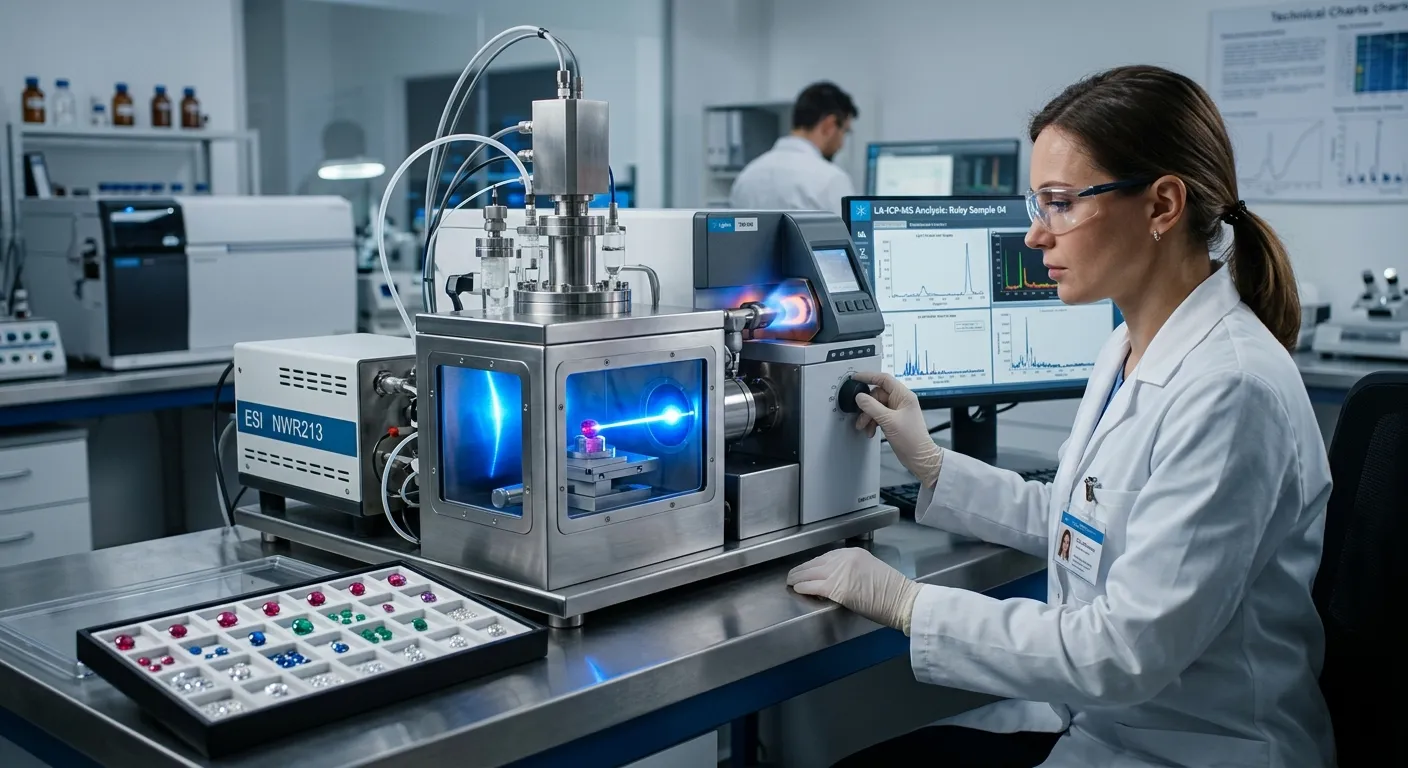
Historical market observations suggest that the "price per carat" ($/ct) is a volatile metric that stabilizes only when anchored by grading reports and certifications for gemstone classification. In the current market, historical data for a natural, unheated ruby of five carats shows it can command valuations upwards of $100,000 per carat ($/ct), whereas its synthetic counterpart, despite possessing an identical chemical composition and mineral classification framework, may struggle to find a buyer at a sale price of $100 per carat ($/ct). This staggering 1,000-fold value gap (a standard observation in high-end trade) is the primary driver behind the industry's obsession with objective crystal verification. Professional buyers no longer rely on the naked eye or basic loupes; instead, we demand advanced analytical methods to test gemstone materials, such as Laser Ablation Inductively Coupled Plasma Mass Spectrometry (LA-ICP-MS). While these tests are expensive—often requiring the laboratory to manage hundreds of thousands of dollars in capital expenditure—they remain the only definitive way to identify treatments and synthetic processes in gemstones, specifically detecting trace elements like beryllium or lithium that indicate modern treatment processes or synthetic growth environments.
Furthermore, the market is currently experiencing a "flight to integrity" (a common response to macroeconomic instability). As global economic volatility increases, collectors are shifting away from "fashion-grade" treated stones toward "intrinsic-value" natural minerals that possess ethical provenance. This trend has significantly impacted the secondary market, where the absence of a modern crystal identification guide or a verifiable provenance report can lead to a 40% reduction in liquidity. Consequently, we are seeing a rise in the use of AI-driven platforms like Gemtelligence, which utilize deep learning to analyze a broad spectrum of analytical data to determine gemstone origin and quality using AI. These systems are designed to minimize human error and provide a consistent, objective baseline for the species and aesthetic quality of gemstones. For a chief buyer, this technological shift represents a reduction in "due diligence risk," allowing for faster transaction cycles in a market that was previously bogged down by subjective expert opinions and lengthy laboratory wait times.
Fig 2.1: Advanced Spectroscopic Verification in Institutional Procurement.
The Quantifiable Value of Origin
The concept of "origin" has evolved from a romantic narrative into a quantifiable financial instrument (often used as collateral in private banking). In the 2026 gemological overhaul, the expansion of origin determination to stones like jadeite, spinel, and demantoid garnet will fundamentally alter the market's pricing tiers and procurement benchmarks. Historically, only the "Big Three"—rubies, emeralds, and sapphires—were subjected to intense geographic scrutiny. However, as the rarity of top-tier minerals increases, the trade is looking for new avenues to justify premium valuations for gemstones from origins that were previously overlooked. A demantoid garnet identified as originating from Russia’s Ural Mountains now enjoys a significant valuation premium over those from Namibia, even if the aesthetic quality is comparable. This is because the Russian stones possess specific "horsetail" inclusions that serve as a natural, unforgeable mark of geological heritage (which any collector should view details of before a sale). Indeed, rarity and origin influence gemstone market value to such an extent that the diagnostic value of inclusions in gemstone identification has become the primary focus of technical appraisal.
The commercial risk, however, lies in the "inconclusive" report. Laboratory data suggests that as many as 15-20% of stones submitted for origin determination return an inconclusive result due to overlapping chemical profiles between different mining regions. For a commercial entity, an inconclusive report is a financial liability; it effectively strips the stone of its "origin premium" and forces it back into the general market pool (reducing its potential sale price). This creates a high-pressure environment for buyers who must utilize their own field tests and historical knowledge to predict laboratory outcomes before committing millions of dollars in capital. The ability to distinguish between natural synthetic and treated gemstones at the source is the hallmark of a senior buyer, yet even the most seasoned veterans now defer to the "Gold Standard" of peer-reviewed laboratory reports to finalize a valuation. Sophisticated investors will often read article after article on new spectroscopic techniques before making a significant acquisition.
Inconclusive Risk
15-20% of samples fail to secure definitive origin reports, leading to immediate liquidity drops.
The "Horsetail" Signature
The definitive inclusion marker for Russian Demantoid Garnet.
Beyond the physical attributes of the stone, the 2026 market is increasingly pricing in the "cost of ethics." Data from industry reports indicate that over 60% of consumers under the age of 30 now prioritize stones with an ethical provenance over traditional aesthetic metrics. This shift has created a dual-track market: stones with full blockchain-backed traceability and those sourced through traditional, opaque channels. The "Ethical Premium" is currently estimated at 5% to 8%, but this is expected to grow as regulatory frameworks like the EU’s supply chain due diligence requirements become more stringent. For a risk analyst, the "informal sector"—which accounts for nearly 90% of gemstone mining in regions like Madagascar—represents a significant compliance hurdle. Even the procurement of amethyst jewelry now requires a level of scrutiny previously reserved for diamonds.
The commercial truth is that a lack of transparency in the supply chain is no longer just a moral issue; it is a material risk to brand equity (and subsequent valuation). Large-scale retailers are increasingly avoiding "conflict-adjacent" minerals, leading to a supply squeeze for high-quality, traceable stones. This has opened the door for lab-grown gemstones to gain wider acceptance, not as "simulants," but as a legitimate, sustainable alternative. In 2026, we expect lab-grown emeralds and sapphires to capture a larger share of the mid-market bridal segment, as they offer material consistency without the scarcity constraints or ethical "noise" associated with artisanal mining. However, for the investment-grade collector, the "natural" label remains the ultimate arbiter of value, as geological rarity is a finite resource that cannot be replicated by human technology. To differentiate between natural and synthetic gemstones remains the most critical skill in the preservation of capital.
The Industrial Floor: High-Purity Quartz and Strategic Minerals
While the jewelry market captures the public imagination, the true commercial volume of the crystal industry is increasingly driven by niche industrial applications. The demand for high-purity clear quartz raw crystal is projected to rise by 17% by 2026, fueled by the global semiconductor race and the expansion of 5G/6G telecommunications infrastructure. In this sector, crystal identification standards are not about beauty, but about functional integrity. A quartz specimen with even microscopic failures, identified via the diagnostic value of inclusions in gemstone identification, can cause a catastrophic failure in a high-precision oscillator or a laser gain medium. As an analyst, I see the industrial sector as the "floor" of the crystal market; it provides a baseline demand that prevents the price of common minerals from collapsing, even when the luxury market fluctuates.
Industrial Forecast 2026
High-Purity Quartz (HPQ) Demand Surge
High-purity silica is the bedrock of modern computation. The production of silicon wafers requires quartz with a purity level of 99.999% (5N) or higher. This "High Purity Quartz" (HPQ) is found in only a few locations globally, such as the Spruce Pine district in North Carolina. The commercial valuation of HPQ is entirely detached from the gemstone market; it is priced based on its chemical "cleanliness" and its behavior under extreme thermal stress. For investors, the strategic importance of these deposits cannot be overstated. As the world moves toward more "agentic" e-commerce and AI-driven economies, the physical crystals that facilitate 99% of all electronic computations become the most concentrated form of physical capital in existence.
The defense and aerospace sectors represent another high-margin niche for the crystal industry. Clear quartz’s unique ability to convert mechanical pressure into electrical signals—its piezoelectric property—makes it indispensable for precise sensors, timers, and navigation systems. In these applications, the diagnostic value of inclusions in gemstone identification is a matter of national security rather than aesthetic preference. A "twin" in the crystal lattice, which might be invisible to a jeweler, can render a quartz plate useless for frequency control in a satellite. This has led to the development of rigorous military-grade crystal identification marks and testing protocols that far exceed the standards of the commercial jewelry trade.
Furthermore, the rise of "quantum-ready" materials is creating a new frontier for mineralogy classification. Rare earth-doped crystals, such as Yttrium Aluminum Garnet (YAG) and Neodymium-doped YAG, are the workhorses of the industrial laser industry. The commercial truth here is that the value is added through "doping" and precision cutting rather than natural rarity. However, the raw materials—the rare earth elements—are subject to intense geopolitical maneuvering. As a risk analyst, I monitor the supply chains of these "tech-minerals" as closely as I monitor the ruby mines of Burma. Any disruption in the supply of thulium or holmium has a direct, cascading effect on the price and availability of medical and industrial laser systems globally.
Fig 2.2: Strategic HPQ Deposits and Industrial Application Standards.
Emerging Varieties and the Lifecycle of Value
The discovery of new varieties, such as the bluish-green chalcedony known as Aquaprase, demonstrates how the market can be "created" through savvy branding and gemological validation. Discovered in Africa in 2013, Aquaprase was initially met with skepticism. However, through a combination of micro-Raman spectroscopy and chemical analysis, gemologists were able to compare chemical and microstructural features of gemstones to differentiate it from chrysoprase and agate, establishing it as a unique species with its own objective mineral evaluation profile. This scientific validation allowed the trader to justify premium valuations for gemstones from origins that were previously unknown and secure placements in high-end luxury collections.
The commercial lifecycle of a new variety follows a predictable pattern: discovery, scientific validation, trade acceptance, and finally, consumer demand. The risk for a buyer is entering the market too early (before validation) or too late (after the "scarcity premium" has eroded). In 2026, we are watching several "emerging" stones, including rare colors of spinel and unconventional garnets, as they move through this pipeline. The key to success in this niche is the ability to read a laboratory report not just for what it says, but for the "narrative potential" it unlocks for the end consumer.
For the high-net-worth individual or the institutional collector, the purchase of a major gemstone is merely the beginning of a long-term "cost of ownership" cycle. The commercial truth that many retailers gloss over is that treatment history can affect gemstone cleaning methods and long-term durability. For example, emeralds that have been "fracture-filled" with cedar oil or artificial resins require specialized care; exposure to ultrasonic cleaners or steam can strip the filling, revealing the stone’s true, often highly included, nature. This "aesthetic collapse" can result in an immediate 50-70% loss in market value, as the stone no longer meets the optical metrics in crystal verification standards it was sold under. Consequently, the long-term maintenance of treated gemstones requires a specialized preservation strategy.
Gemstone Resilience Matrix
Gemstone Species
Mohs Hardness
Toughness (Resilience)
Maintenance Risk
Diamond
10
Good (Cleavage Risk)
Low
Jadeite
6.5 - 7
Exceptional
Very Low
Emerald (Oiled)
7.5 - 8
Poor
Critical
Maintenance risks are particularly acute for "soft" stones or those with high cleavage planes. While a diamond is the hardest natural substance, it is not indestructible; a well-placed blow along a cleavage plane can shatter a multi-million dollar asset. As an analyst, I categorize gemstones by their "Resilience Rating," which combines Mohs hardness with toughness (resistance to chipping). A stone like jadeite, while lower on the Mohs scale than a sapphire, possesses a felted microcrystalline structure that makes it incredibly tough and resistant to breakage. This "durability alpha" is a key factor in the long-term value retention of a collection, yet it is rarely reflected in the initial price per carat ($/ct).
The Arms Race: Treaters vs. Testers
Modern gemology is a constant arms race between treaters and testers. "Temporary" treatments, such as surface coatings or unstable dyes, are a major liability in the secondary market. We have seen cases where "Paraiba-colored" tourmalines were actually copper-coated specimens that lost their vibrant hue after a professional cleaning. The commercial risk here is "valuation decay." If a stone’s beauty is dependent on a non-permanent treatment, its value is essentially a depreciating asset. Professional grading reports now explicitly state the "stability" of a treatment, and stones with "unstable" or "high-degree" enhancements are increasingly excluded from investment-grade portfolios.
Furthermore, the "cost of truth" is rising. To maintain the grading reports and certifications for gemstone classification of a collection, owners must periodically re-submit stones for updated reports. Laboratory standards evolve; a stone that was graded as "natural" twenty years ago might be flagged for "minor heat" or "trace diffusion" under 2026 analytical protocols. This "re-grading risk" can lead to sudden, significant write-downs in the value of an estate. For a senior buyer, the strategy is always to prioritize stones with "low-intervention" histories, as they are the most resilient to future changes in gemological science.
The retail sector lost an estimated $115 billion to e-commerce fraud in 2024, and the gemstone trade is a primary target for sophisticated synthetic identity fraud. Fraudsters are now using AI to generate realistic-looking laboratory reports that mimic the security features of the GIA or IGI. In 2026, the industry is responding with "Digital Passports" and blockchain-linked laser inscriptions. However, the risk remains at the "Point of Exchange." If a buyer does not possess the tools to distinguish between natural synthetic and treated gemstones in real-time, they are vulnerable to "bait-and-switch" tactics.
The "Deepfake Gemstone" is the latest threat. These are high-quality synthetics that have been "seeded" with natural-looking inclusions to fool traditional microscopic assessment. To detect rare inclusions in gemstones that are actually synthetic markers requires advanced spectroscopy that is often unavailable outside of major metropolitan hubs. This has created a "trust gap" in regional markets, where buyers are increasingly unwilling to transact without a third-party escrow service that includes a mandatory laboratory verification phase. As an analyst, I recommend that any transaction exceeding $50,000 should include a "stability clause" that allows for a full refund if subsequent testing reveals undisclosed treatments or synthetic origins.
The Future: AI, Blockchain, and 3D Integrity
The future of gemstone identification is being rewritten by the integration of Artificial Intelligence and high-resolution imaging. The "Gemtelligence" system represents a paradigm shift from human-centric grading to machine-led objectivity. By training algorithms on tens of thousands of verified samples, these systems can determine gemstone origin and quality using AI with a degree of accuracy that rivals a human expert with 40 years of experience. For the commercial market, this means "standardization." When the "human element" is minimized, the variance in grading reports decreases, leading to more stable and predictable pricing across different global exchanges.
However, the "AI Black Box" presents its own risks. If an algorithm is trained on a biased or incomplete dataset, it can produce "systemic misidentification." For instance, if a new deposit in Ethiopia produces rubies that are chemically similar to Burmese stones, an AI might incorrectly assign a "Burma Premium" to the Ethiopian material. This "algorithmic arbitrage" is something we are watching closely in 2026. The solution is the "Hybrid Model," where AI handles the heavy lifting of data analysis, but a senior gemologist provides the final "aesthetic and geological context" to the report.
The adoption of blockchain technology for gemstone provenance is no longer a "pilot" project; it is becoming a market requirement. By creating an immutable record of a stone’s journey from the mine to the retail showroom, blockchain eliminates the "chain of custody" risks that have plagued the industry for centuries. This technology is particularly effective in combating the circulation of counterfeit gems and ensuring that stones are sourced in compliance with environmental and social standards. In 2026, we expect to see the first "Smart Contracts" for gemstones, where the release of funds is automatically triggered by the digital confirmation of grading reports and certifications for gemstone classification.
The commercial impact of blockchain is "liquidity enhancement." A stone with a verified, digital history is much easier to sell, insure, and use as collateral for financing. We are seeing the emergence of "Gemstone-Backed Securities," where portfolios of high-quality, blockchain-verified stones are tokenized for institutional investors. This "financialization" of the gemstone market relies entirely on the gemological integrity provided by the underlying technology. Without a digital "link" to the physical stone—usually achieved through a microscopic laser inscription—the blockchain record is meaningless.
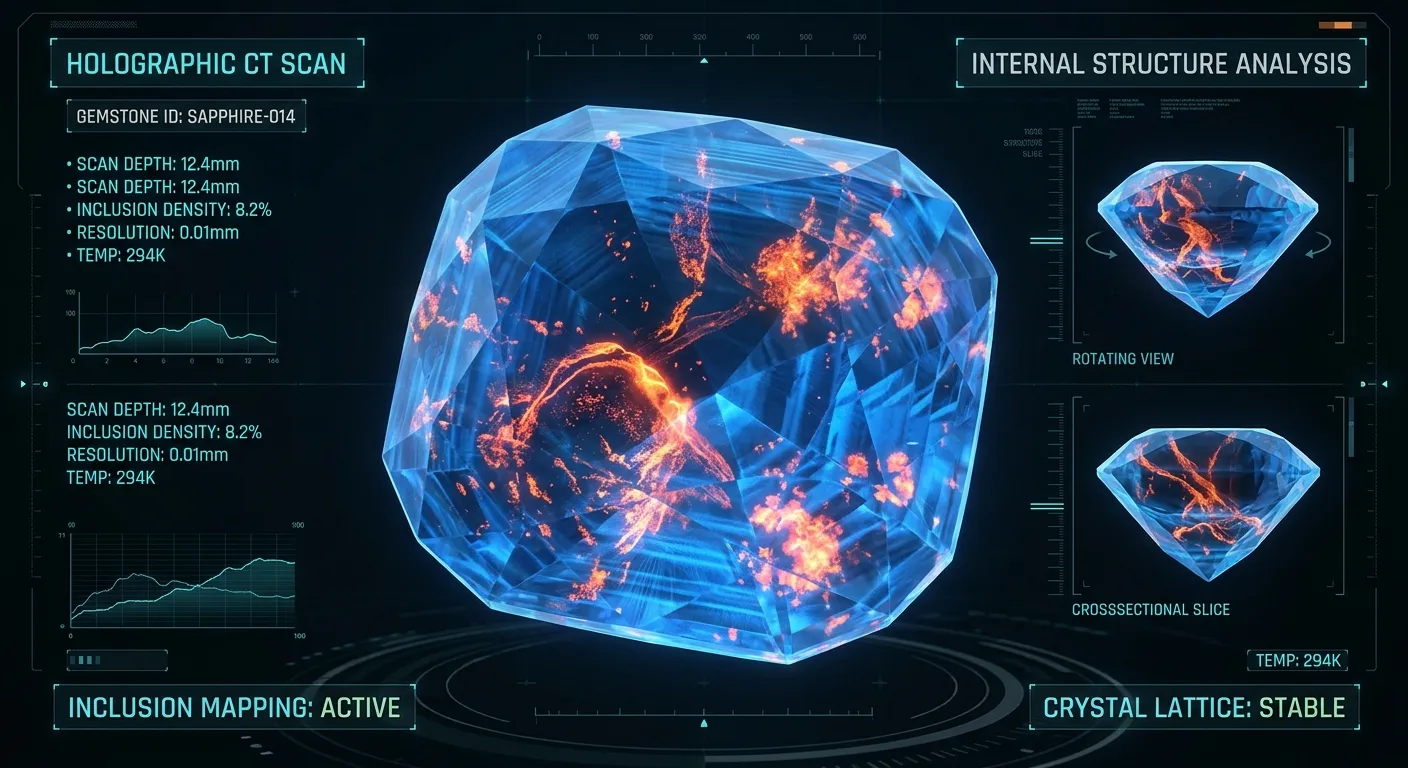
Computed Tomography (CT) scanning and 3D imaging are providing gemologists with a holistic understanding of a stone’s internal world. These techniques allow us to compare chemical and microstructural features of gemstones and map the "DNA" of a crystal—its specific growth patterns, phantom inclusions, and stress zones—without ever touching the stone. This "non-invasive" approach is essential for high-value specimens where even a microscopic scratch during testing can reduce the market value. In 2026, these 3D maps will become a standard part of a high-end grading report, providing a "fingerprint" that is impossible to forge.
Fig 2.3: Non-Invasive 3D Mapping and Digital Fingerprinting.
For the buyer, advanced imaging offers a new way to assess species and aesthetic quality of gemstones. We can now quantify the "brilliance" and "scintillation" of a stone using light-performance analysis software. This moves the "Cut" grade from a subjective "Excellent" or "Very Good" to a quantifiable metric based on light-return percentages. The commercial truth is that a stone with a 98% light-return rating will always command a premium over one with 90%, even if all other "4Cs" are identical. This "technical beauty" is the new frontier of gemstone valuation, and it is driven entirely by the tools used to geographic origin and treatments affecting gemstone value.
As we look toward the end of the decade, the crystal and gemstone industry is poised for a "Great Bifurcation." On one side, we have the "Commoditized Market," dominated by lab-grown stones and high-volume, treated natural materials. This segment will be driven by price, convenience, and digital integration. On the other side, we have the "Heritage Market," focused on rare, untreated natural minerals with impeccable provenance. This segment will be driven by scarcity, geological integrity, and historical narrative. For the professional buyer, the challenge is navigating the "gray zone" between these two worlds, where misidentification can lead to catastrophic financial losses.
The global gemstones market, valued at $30.1 billion in 2021, is expected to reach $55 billion by 2030, but the growth will not be uniform. The "Healing Crystals" and wellness segment is particularly vulnerable to "authenticity fatigue." As consumers become more educated, the demand for "real" minerals with verifiable chemical and microstructural data will replace the current approach to spiritual stones. This will lead to a shakeout of retailers who cannot provide objective proof of their products' origins. Consequently, rarity and origin influence gemstone market value even in segments previously ignored by serious gemologists.
The democratization of gemological knowledge through the internet and portable testing devices is creating a new class of "Informed Collectors." These individuals do not just take a jeweler’s word at face value; they cross-reference objective mineral evaluation data and study the latest research to detect rare inclusions in gemstones. For the trade, this means the "era of the opaque sale" is over. Transparency is the only sustainable business model for 2026.
In conclusion, the commercial truth of the crystal industry is that value is a function of verified truth. Whether it is a quartz crystal for a satellite or a ruby for a ring, the standards of identification are the guardians of that value. As we navigate the risks of treatments, synthetics, and fraud, the tools of gemological science are our only defense. For those who can master these standards, the next five years offer unprecedented opportunities for value creation in one of the world's most ancient and enduring markets.