Comprehensive Crystal Buyer Education: Safety, Mechanics, and Maintenance Framework
Crystalline structures—whether naturally formed over geological time scales deep within the Earth’s mantle or engineered precisely in advanced laboratory environments—embody a sophisticated level of physical and chemical order.
Developing a clear understanding of the fundamental mechanics underlying these materials, from the pure carbon lattice of lab-grown gemstones to the vitreous matrix of precision-cut optical glass, is essential to appreciate their inherent physical properties.
This framework breaks down the structural architecture, optical physics, and chemical stability that govern how these materials interact with light, withstand mechanical stress, and preserve their integrity over time. By moving beyond marketing generalizations, it reveals the exact thermodynamic and crystallographic principles that drive material performance.
Fundamental Crystallographic & Optical Metrics
The key parameters to evaluate include the index of refraction, which quantifies the degree to which light slows and bends entering a denser optical medium and dictates overall brilliance. The Mohs hardness scale provides a qualitative ordinal ranking of scratch resistance by measuring a material’s ability to abrade softer substances.
- Lattice Geometry The three-dimensional atomic arrangement (such as face-centered cubic versus hexagonal) — determines whether a material exhibits single or double refraction properties.
- Thermal & Chemical Inertness Additionally, thermal and chemical inertness serve as critical baselines for resistance to environmental degradation, acid leaching, and thermal shock.
The Architecture of Light: Optical Mechanics and Refraction
Understanding the Index of Refraction
A material’s visual performance is fundamentally governed by its index of refraction. When photons transition from air into a denser medium, their velocity decreases, causing the light path to bend—a phenomenon known as refraction. Materials with higher optical density produce more significant bending, enabling photons to reflect internally and return to the observer’s eye, enhancing perceived brilliance.
This principle is central when comparing lab diamond vs moissanite. Diamonds, formed from pure carbon, have an index of refraction around 2.42, delivering the classic, deep sparkle associated with natural diamonds. By contrast, moissanite, composed of silicon carbide, exhibits a higher refractive index ranging between 2.65 and 2.69. This increased optical density results in more pronounced refraction, generating a sharper internal reflection pattern and thus heightened brilliance.
Optical Density Comparison
Interactive DataDispersion, Fire, and Birefringence
Beyond refraction, dispersion characterizes a material’s capacity to separate white light into its component spectral colors, creating the "fire" effect. As white light passes into a crystal, varying wavelengths slow to different extents, causing them to spread and produce flashes of rainbow coloration.
The internal atomic lattice further influences whether a stone displays birefringence — occurring when one ray of light splits into two distinct rays traveling at different speeds. Diamonds’ symmetric cubic lattice results in single refraction, allowing light to pass as a unified ray. In contrast, moissanite’s hexagonal lattice causes double refraction, amplifying dispersion effects. Some anisotropic minerals also exhibit pleochroism, appearing as different colors when viewed from various angles.

Precision Cutting and Surface Coatings
Achieving optimal optical performance requires precise geometric alignment. Even materials with high refractive indices appear lackluster if improperly cut. Manufacturers employ precision computer-controlled cutting technologies that calculate exact facet angles, guiding light to undergo total internal reflection rather than escaping through the back of the stone.
In synthetic crystals and advanced optical glass, surface treatments extend beyond cutting. Ultra-thin metallic or dielectric coatings are applied in vacuum chambers, bonding at the molecular level to produce a consistent iridescent sheen and flawless color uniformity across production batches. This transformative process converts raw transparent boules into finely faceted optical prisms with enhanced visual appeal.
Structural Integrity and the Physics of Durability
The Mohs Hardness Scale and Atomic Bonds
Durability in crystalline materials is primarily determined by the strength and density of their atomic bonds, assessed qualitatively using the Mohs hardness scale from 1 to 10 based on scratch resistance. Diamond, with its tightly bonded three-dimensional sp3 carbon lattice, ranks at the scale’s maximum hardness of 10.
Comparing sapphire vs mineral crystal highlights significant differences in hardness relevant to watchmaking and optics. Mineral glass typically registers around 5 to 6 on the Mohs scale, reflecting a moderate resistance to scratches. By contrast, synthetic sapphire crystal—composed of corundum (aluminum oxide)—achieves a hardness of approximately 9. This robust corundum lattice grants it substantially increased scratch resistance, ensuring prolonged surface integrity under mechanical wear.
Mohs Hardness Scale
Material AnalysisImpact Resistance and Tensile Stress
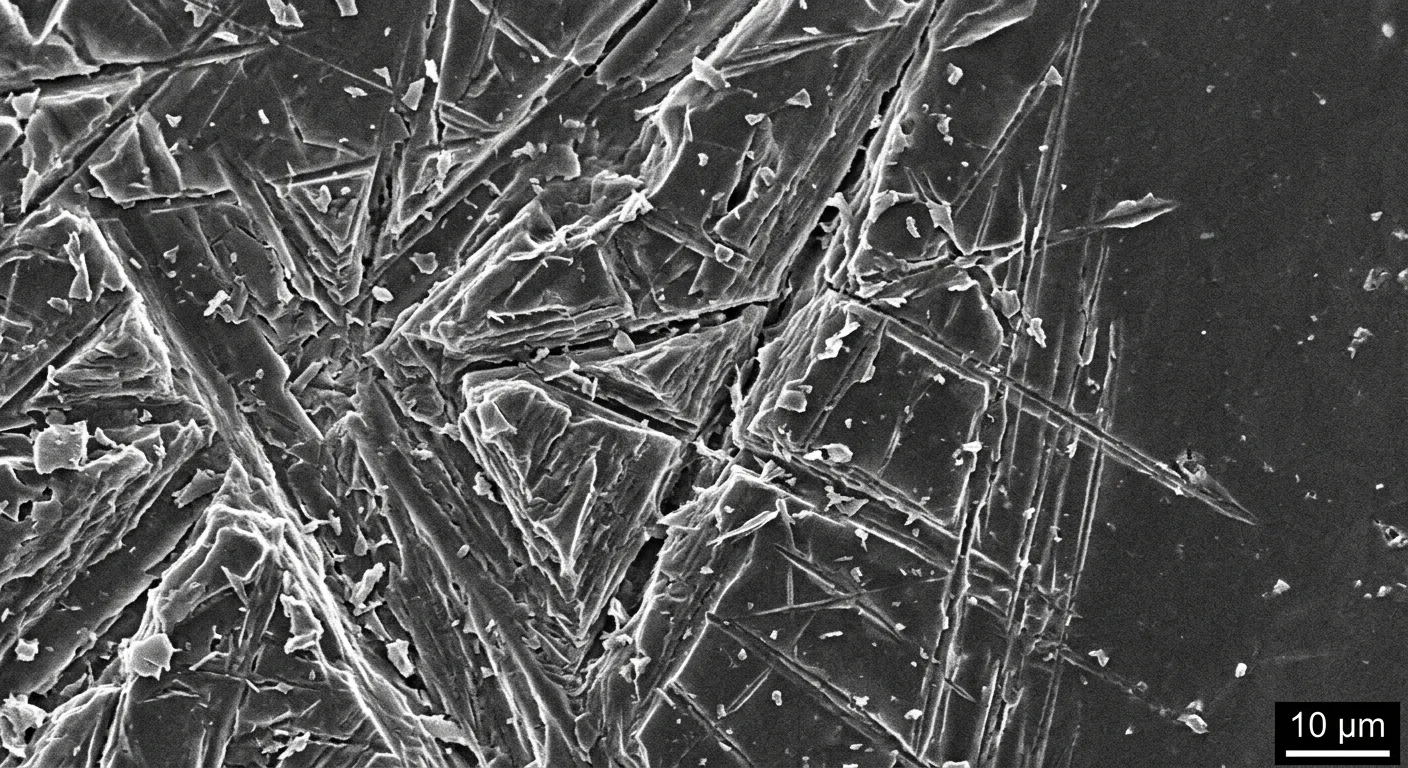
Hardness does not guarantee complete invulnerability; toughness, reflecting resistance to fracture or chipping, involves different material properties. Many crystalline solids possess cleavage planes—atomic layers where bonds are weaker—which serve as fracture initiation sites.
When an impact transfers kinetic energy through a crystal lattice, shockwaves propagate and concentrate tensile stress at weaknesses such as cleavage planes or internal defects. If the stress exceeds bond strength, abrupt fracture occurs. Hard materials like sapphire, though highly scratch-resistant, are rigid and brittle. Applications such as sapphire watch crystals rely on engineering solutions like heavy-duty nylon gaskets to absorb micro-shocks and ensure a waterproof seal, compensating for the crystal’s inability to deform under pressure.
Environmental Degradation and Clarity Retention
Evaluating materials for everyday durability also demands attention to chemical and thermal stability over extended periods. Pure carbon lattices (diamonds) and high-grade aluminum oxide (sapphire) are chemically inert, showing negligible reaction to ambient moisture, ultraviolet exposure, or common chemicals, thus avoiding long-term clarity degradation.
Conversely, engineered glass and lower-grade simulants possess amorphous, non-crystalline structures. Despite hardening surface coatings, underlying silica networks remain susceptible to microscopic scratches and chips. Accumulated micro-abrasions scatter incident light, diminishing refractive clarity and causing a cloudy or milky surface appearance irreparable without physical repolishing.
Engineered Synthesis: From Vitreous Matrices to Lab-Grown Lattices
The Evolution of Glassware and Lead-Free Innovations
Standard glass is an amorphous solid, lacking the highly ordered atomic lattice of crystalline substances. Traditionally, lead oxide (PbO) was added in high concentrations—often exceeding 24% in antique crystal glassware—to increase density and refractive index, yielding visual brilliance akin to gemstones. The presence of lead lowered working temperatures and altered the silica network.
Modern material science has pioneered lead-free technology, substituting heavy metals with elements such as barium oxide, zinc oxide, or potassium fused with high-purity silica quartz at elevated temperatures. These formulations replicate the high optical density and characteristic resonance of traditional leaded glass while eliminating toxicity concerns.
High-Pressure High-Temperature (HPHT) and Chemical Vapor Deposition (CVD) Growth
Lab-grown diamonds reproduce Earth’s mantle conditions through the High-Pressure High-Temperature (HPHT) method, which applies massive mechanical pressure and heat to crystallize carbon atoms around a seed.
Chemical Vapor Deposition (CVD)
Alternatively, Chemical Vapor Deposition (CVD) synthesizes diamonds in vacuum environments at lower pressures. Methane or other hydrocarbon gases are decomposed by microwave plasma, releasing free carbon atoms that settle atomically on a diamond seed plate, growing layer-by-layer. This process yields Type IIa diamond lattices with near-flawless atomic arrangements. As crystallography experts emphasize, mastering mechanistic crystal growth is essential to advancing material quality and consistency.
Aluminum Oxide and Industrial Sapphire
Pure aluminum oxide (corundum) synthesized for industrial sapphire applications is produced via the Czochralski process. A sapphire seed crystal is immersed in molten alumina exceeding 2,000°C and slowly pulled upward while rotating. This controlled crystallization aligns atomic orientation flawlessly, producing large single-crystal boules devoid of grain boundaries that would scatter light.
The resulting material offers near-perfect optical transmission across ultraviolet, visible, and infrared spectra, critical for advanced photonics and aerospace technologies.
Chemical Composition and Handling Safety Protocols
Assessing Heavy Metals in Antique Matrices
A pivotal safety question concerns: is lead crystal safe to use? Antique crystal glassware commonly contained upwards of 24% lead oxide. While lead atoms are tightly bound within the vitrified silica matrix at ambient temperatures, chemical bonds can weaken upon exposure.
Acidic liquids—such as wine or spirits—stored for prolonged periods can leach lead ions (Pb2+) through acid attack on the silica network. This causes potentially harmful heavy metal migration into consumables. Such interactions underscore the importance of handling vintage leaded crystal cautiously, especially in food and beverage contexts.
Inertness and Biocompatibility in Modern Synthetics
In contrast, contemporary synthetic crystals—laboratory-grown sapphire, Yttrium Aluminum Garnet (YAG), and carbon diamonds—are chemically inert and highly biocompatible. Their densely bonded atomic networks resist reaction with ambient acids, bases, or biological tissues.
This chemical stability renders them suitable for high-end optical sensors as well as medical and surgical instruments. Maintaining their surface polish requires non-chemical cleaning methods tailored to preserve structural integrity without degrading optical clarity.
Piezoelectric Properties and Structural Frequencies
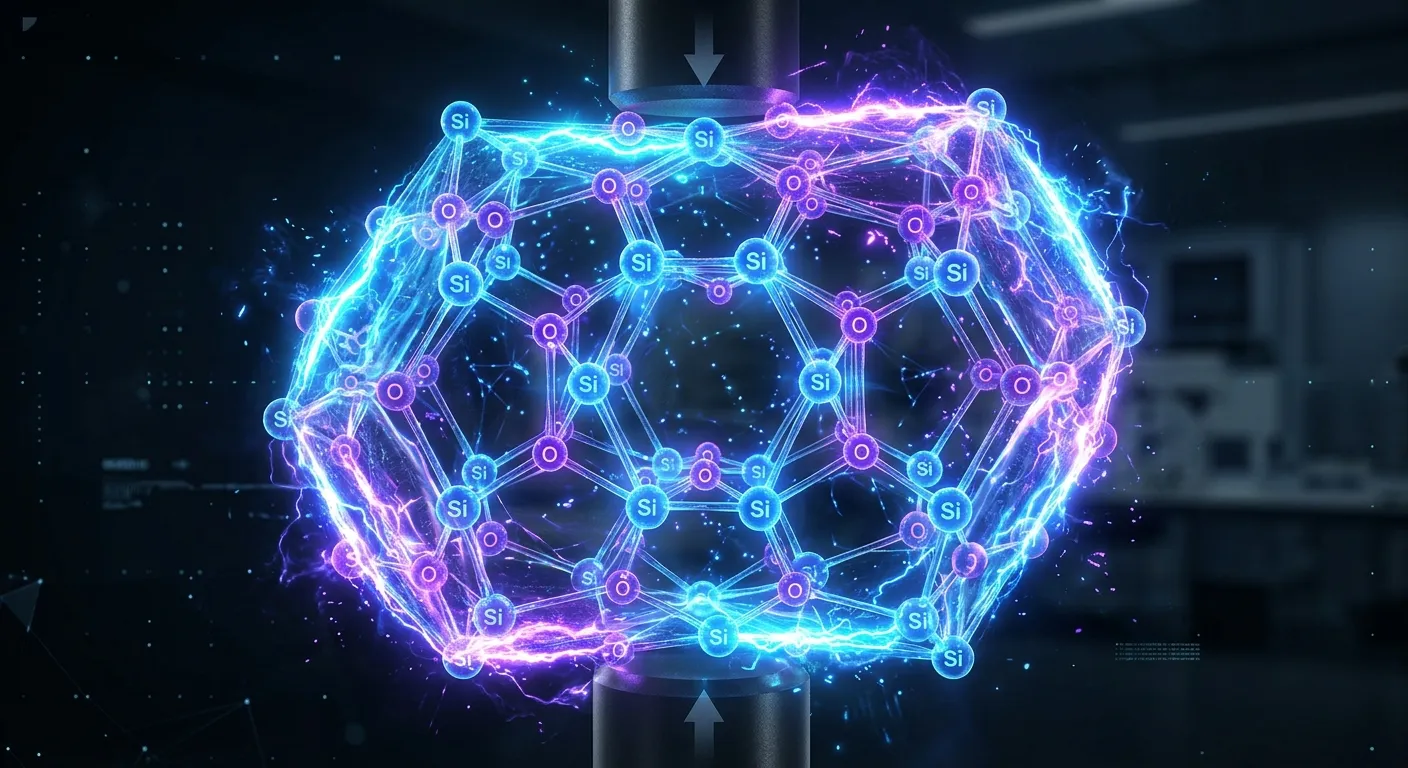
Some crystalline materials exhibit dynamic electromechanical behaviors such as the piezoelectric effect, where mechanical stress induces electrical charge generation. This phenomenon arises from asymmetries in the crystal lattice; mechanical deformation shifts internal dipole moments, causing electron migration and voltage production. Conversely, applying electrical current vibrates the lattice at precise resonant frequencies.
Materials like Barium Titanate (BaTiO3) and natural quartz exploit this effect, underpinning technologies in precision timekeeping and sonar. These structural frequencies and electromechanical properties trace back to early anthropological records detailing mineral applications as well as contemporary mechanistic research.
Commercial Valuation and the Pricing Matrix
Decoding Market Premiums and Resale Retention
In the high-end procurement of mineral and glass materials, distinguishing intrinsic material value from brand-driven valuation remains critical. Premium branded crystal often commands a market premium of 10 to 15 times the price of commercial-grade soda-lime glass (reflecting the additional margin paid for recognized brands beyond raw material cost). This premium primarily stems from proprietary manufacturing processes, including the adoption of advanced lead-free technology and stringent quality control measures, rather than raw silica content alone.
Buyers, however, must carefully consider depreciation patterns. Standard premium crystal typically retains only 30% to 60% of its original retail value on the secondary market. When determining antique crystal glassware value, expert appraisers emphasize provenance, physical condition, and the presence of flawless color uniformity, rather than relying solely on brand recognition. For those consulting a comprehensive crystal buying guide, acknowledging this steep initial depreciation is essential for realistic financial assessment and avoiding overvaluation during procurement.
Case Study: The Lab Diamond vs. Moissanite Cost-to-Value Ratio
The divergent commercial trajectories of lab diamond vs moissanite stones illustrate critical valuation considerations. Although both materials deliver remarkable brilliance, moissanite sells at a significant 70% to 90% discount relative to lab-grown diamonds. A typical commercial 1-carat moissanite ranges from $500 to $800, whereas a comparable lab-created diamond commands $1,500 to $3,000.
Long-term ownership costs emerge most clearly in secondary market liquidity. Lab-grown diamonds generally preserve 20% to 40% of their initial purchase price on resale, while moissanite exhibits almost no secondary market liquidity, resulting in negligible resale value. Moreover, moissanite may experience long-term clarity issues, such as microscopic clouding over extended periods, whereas lab diamonds maintain structural integrity indefinitely. This example underscores that lower upfront costs can correspond with greater total depreciation over time, influencing strategic investment decisions.
Asset Depreciation Trajectories
Market DataCore Industry Standards & Evaluation Metrics
The "5Cs" and Optical Grading Frameworks
To standardize evaluation and reduce financial risk, professional crystal glassware buyers and industrial sourcing agents adhere to rigorous grading criteria. These metrics differentiate investment-grade from mass-market goods and include:
- Cut and Refractive Index The index of refraction—quantifying light bending within the material—must meet strict minimums. Premium optical glass and luxury crystal typically achieve refractive indices of 1.7 or above. This is accomplished through precision computer-controlled cutting, which ensures facets are mathematically precise to maximize light dispersion without compromising structural integrity.
- Clarity and Inclusions Industrial and luxury-grade pieces demand zero inclusions visible under 10x magnification. Any internal flaws, gas bubbles, or microscopic clouding downgrade a batch to commercial or reject status.
- Color Consistency Whether clear or tinted, materials must exhibit flawless color uniformity to avoid signs of poor temperature control during melting or impure silica, both of which undermine quality.
- Chemical Composition and Safety Heavy metal content is stringently monitored. Concerns surrounding is lead crystal safe to use have driven widespread adoption of lead-free technology, often utilizing barium or zinc oxides. Compliance with international food-contact safety standards is mandatory for functional glassware procurement.
Authenticity and Material Verification Protocols
Mitigating counterfeiting represents a substantial expense in both crystal and gemstone markets. Genuine manufacturers use microscopic laser-engraved logos and serialized holographic seals to guarantee provenance. Buyers must verify chemical composition through spectrometry and index of refraction testing instead of solely visual inspection.
This due diligence is especially important when sourcing materials for resale (e.g., seeking crystal glass buyers near me to liquidate estates). Documented chain-of-custody and independent laboratory certification remain the only reliable methods to establish authentic market value.
The Cost of Ownership and Maintenance Realities
Navigating Fragility and Structural Vulnerabilities
The durability and everyday wear of crystalline glass directly affects total lifecycle cost. Although aesthetically impressive, decorative crystal is inherently vulnerable to scratches and chips. The Mohs hardness scale—measuring resistance to surface abrasion on a scale from 1 to 10—rates standard decorative crystal between 6 and 7, making it susceptible to damage from routine handling, automated cleaning, or contact with harder materials.
This fragility necessitates specialized storage, handling, and protective packaging protocols, which substantially raise logistics costs for distributors and maintenance responsibilities for end users.
Component Replacement and Functional Preservation
In technical applications such as horology and industrial optics, the economic calculus shifts considerably. The sapphire vs mineral crystal debate exemplifies this. Synthetic sapphire crystal rates a 9 on the Mohs scale, delivering increased scratch resistance far beyond standard mineral glass.
However, this hardness entails higher maintenance costs. Due to its rigidity and zero flex, sapphire components require specialized nylon compression rings to ensure a waterproof seal during installation. Additionally, sapphire replacement is costlier due to intricate diamond-tool machining needed for cutting. Buyers must weigh these higher replacement expenses against the benefit of a near-permanent scratch-free surface.
Global Market Forecast and Niche Applications
Macro-Trends in the $17.97 Billion Glassware Sector
The global glassware market is undergoing notable consolidation and innovation. As of 2024, it is valued at approximately USD 17.97 billion, with a projected Compound Annual Growth Rate (CAGR) near 5.9%, leading to an anticipated market size close to USD 28.44 billion by 2032. Approximately 70% of high-quality glass production is concentrated within four dominant corporate conglomerates, which enforces high barriers to entry and pricing control.
Geographically, the Asia Pacific region accounts for over 40% of production and consumption, fueled by rapid urbanization and rising disposable incomes. Europe holds a mature 23% market share, functioning as the center for heritage brands and ultra-premium crystal. The fine dining sector is expanding briskly at around 15% annually, generating increased B2B demand for durable, visually superior glassware capable of withstanding commercial use while projecting luxury.
Global Glassware Market Trajectory (2024-2032)
CAGR 5.9%High-Tech Optics and Industrial Deployment
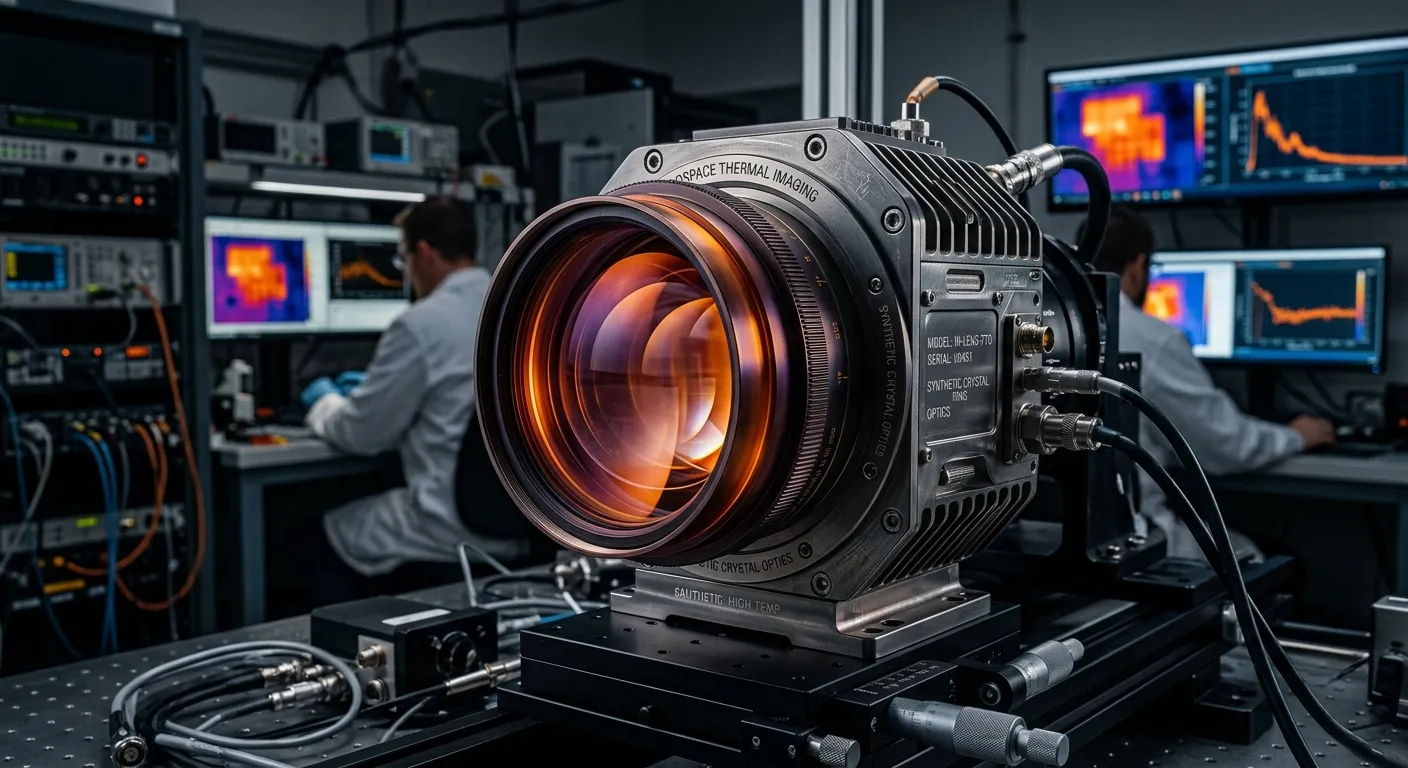
Beyond decorative use, crystalline materials are essential in defense, aerospace, and medical technology sectors. The global thermal imaging market, valued at roughly USD 7.31 billion in 2024, relies extensively on infrared-transmitting materials such as Germanium and advanced synthetic crystals. These specialized components critically impact the performance of UAVs and advanced targeting systems.
For institutional buyers, understanding materials’ thermal expansion coefficients and transmission properties is vital for operational efficacy and security. Whether sourcing for industrial applications or private collections (crystal buyers near me), recognizing how underlying material science shapes the global supply chain informs more strategic negotiations and inventory decisions.
Conclusion
Strategic Procurement Summary
Successfully navigating the crystal and advanced glass markets demands a fact-based approach, emphasizing material science, market data, and comprehensive lifecycle costs rather than aesthetic appeal alone. From calculating moissanite’s depreciation to assessing synthetic sapphire’s maintenance trade-offs, informed procurement relies on minimizing risk through rigorous adherence to grading standards and awareness of macroeconomic industry trends within this $17.97 billion sector. Such precision enables buyers to confidently manage both luxury and industrial acquisitions with clarity and authority.